Many people believe creativity belongs to artists, performers, or those with a particular talent.
But creativity is not something that belongs to a select few. It is a natural human capacity—one that often becomes buried beneath expectations, routines, and the pressure to perform or produce.
Creative freedom begins when we step outside those expectations and allow ourselves to explore again.
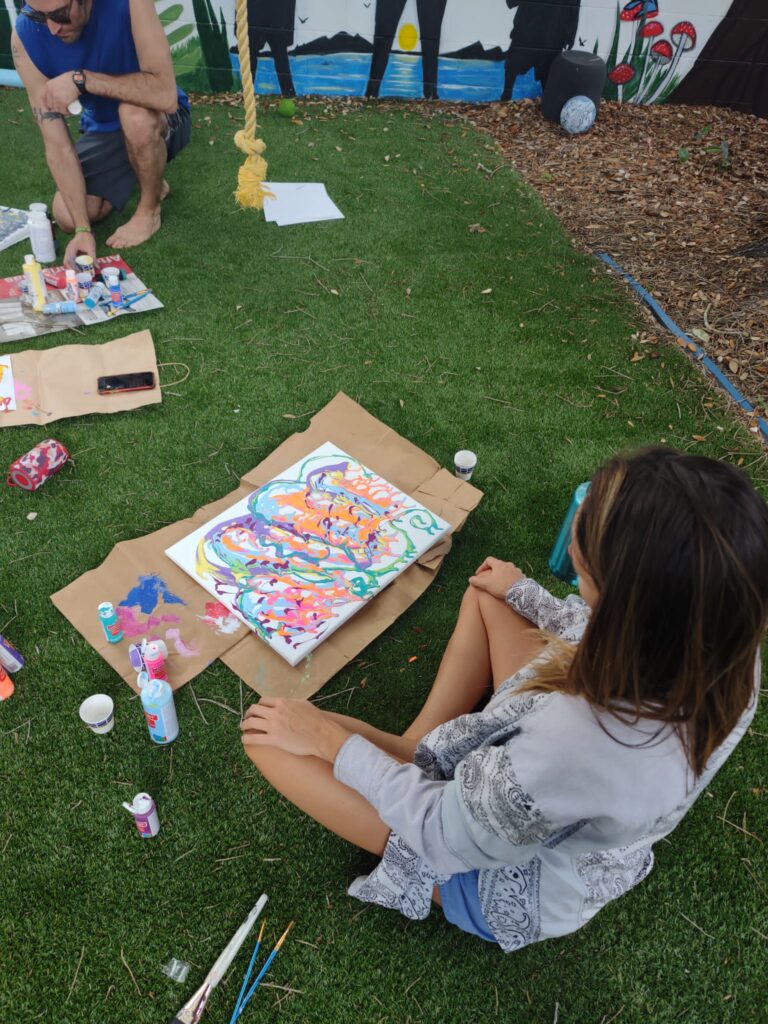
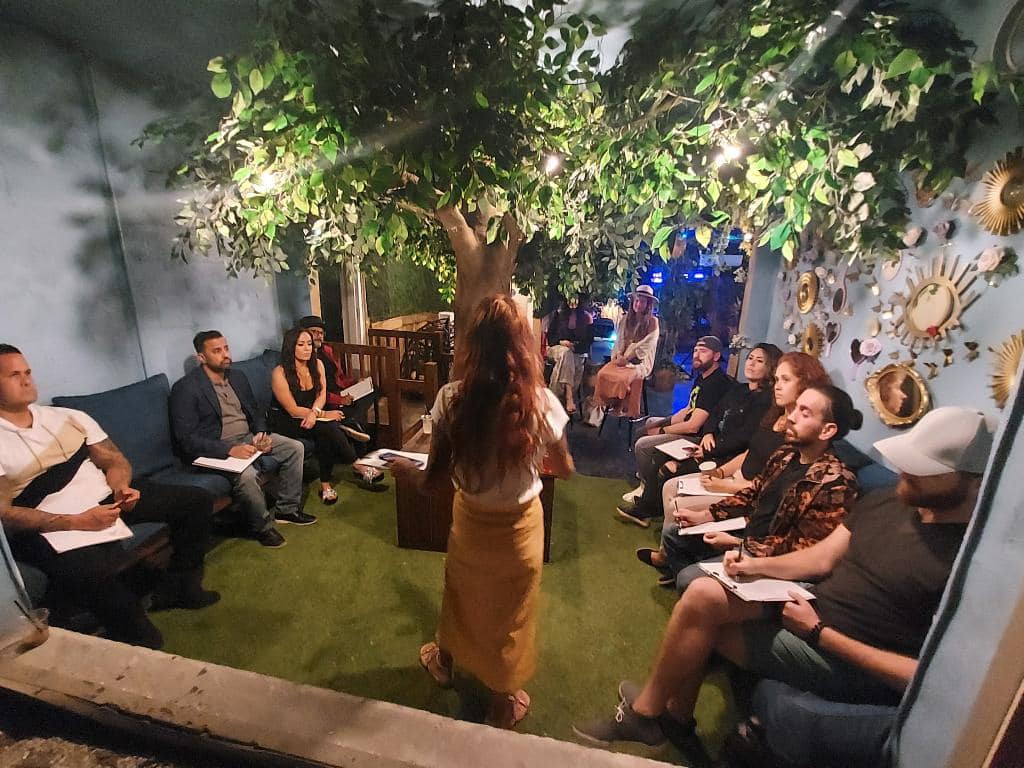
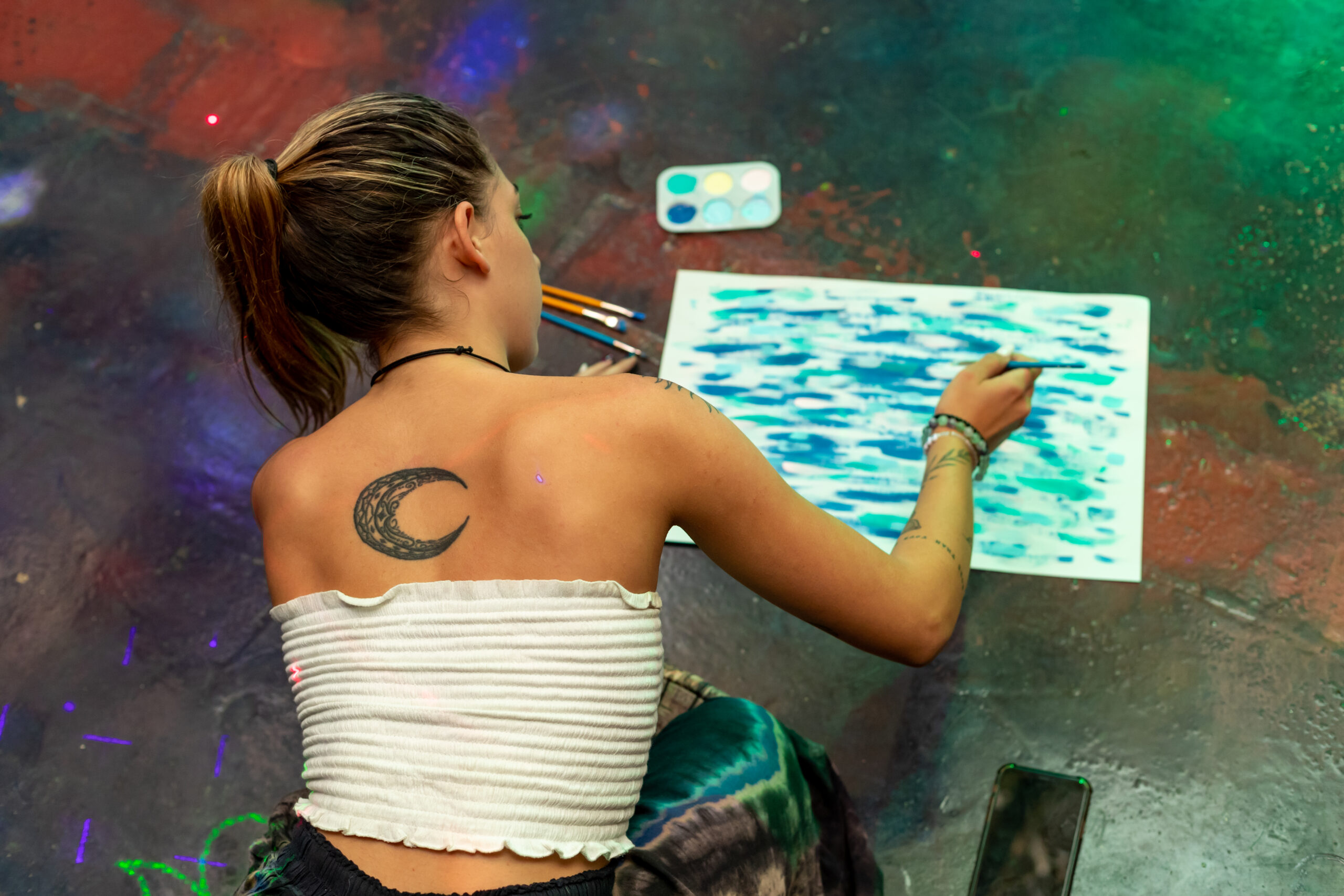
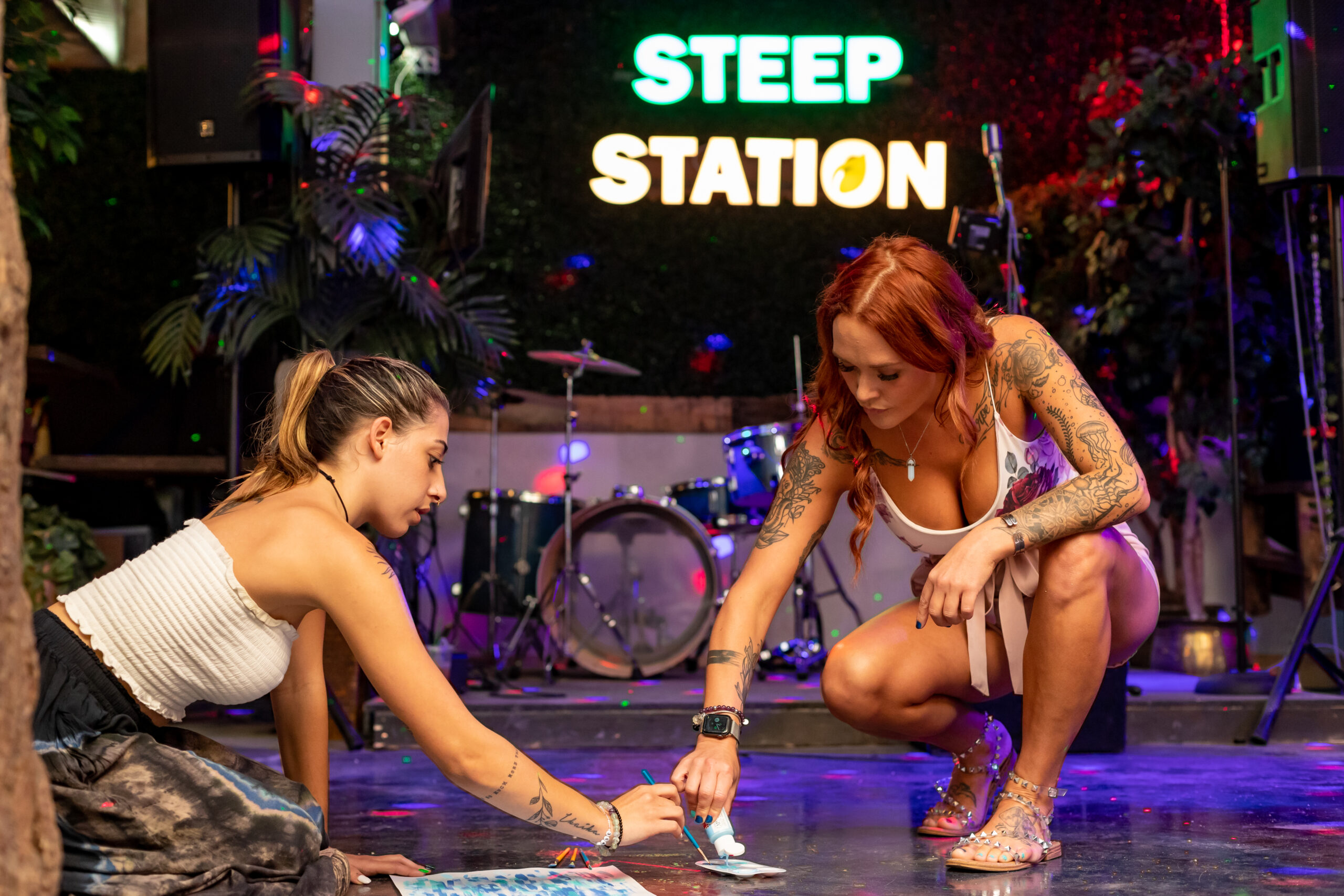
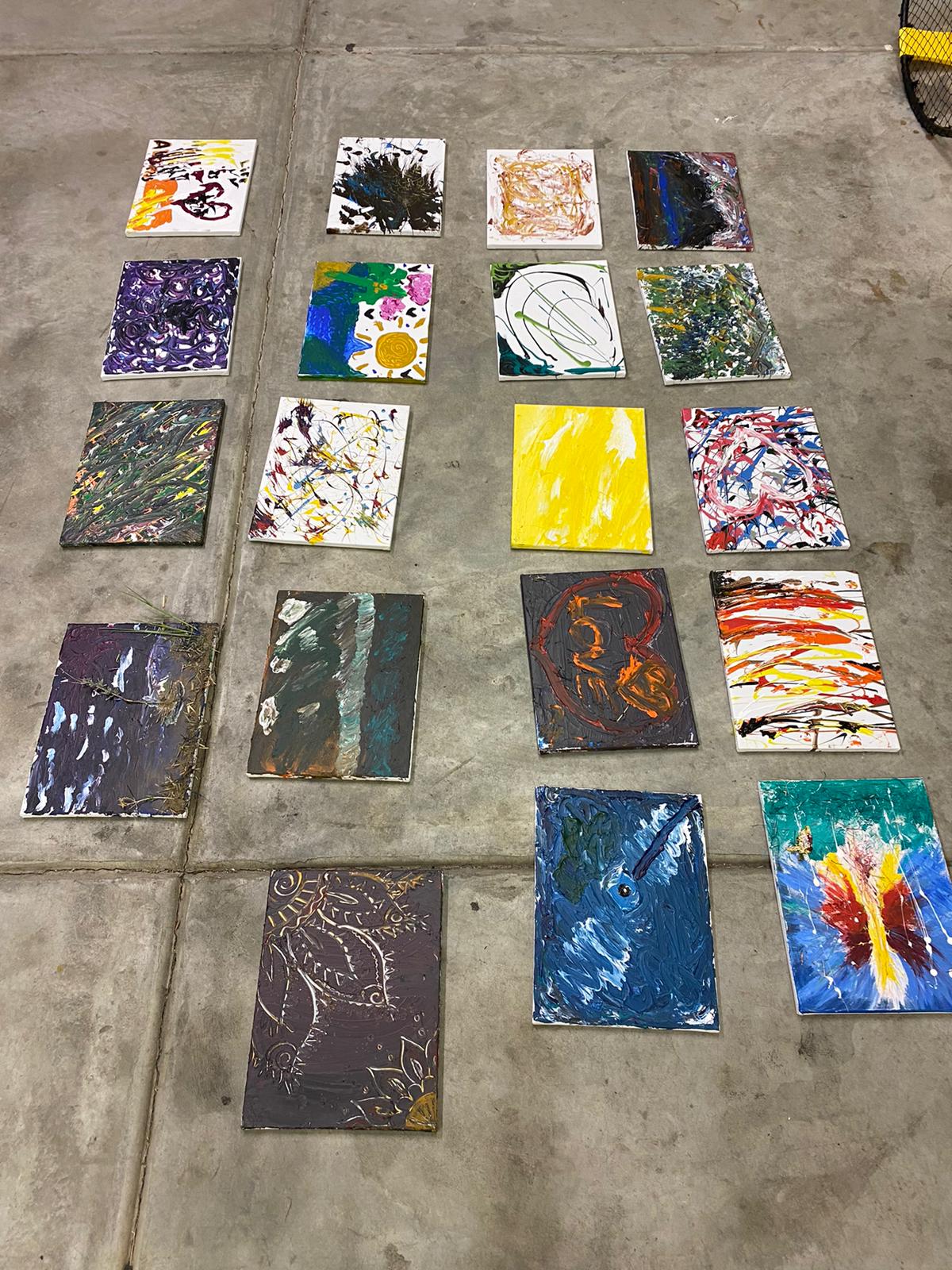
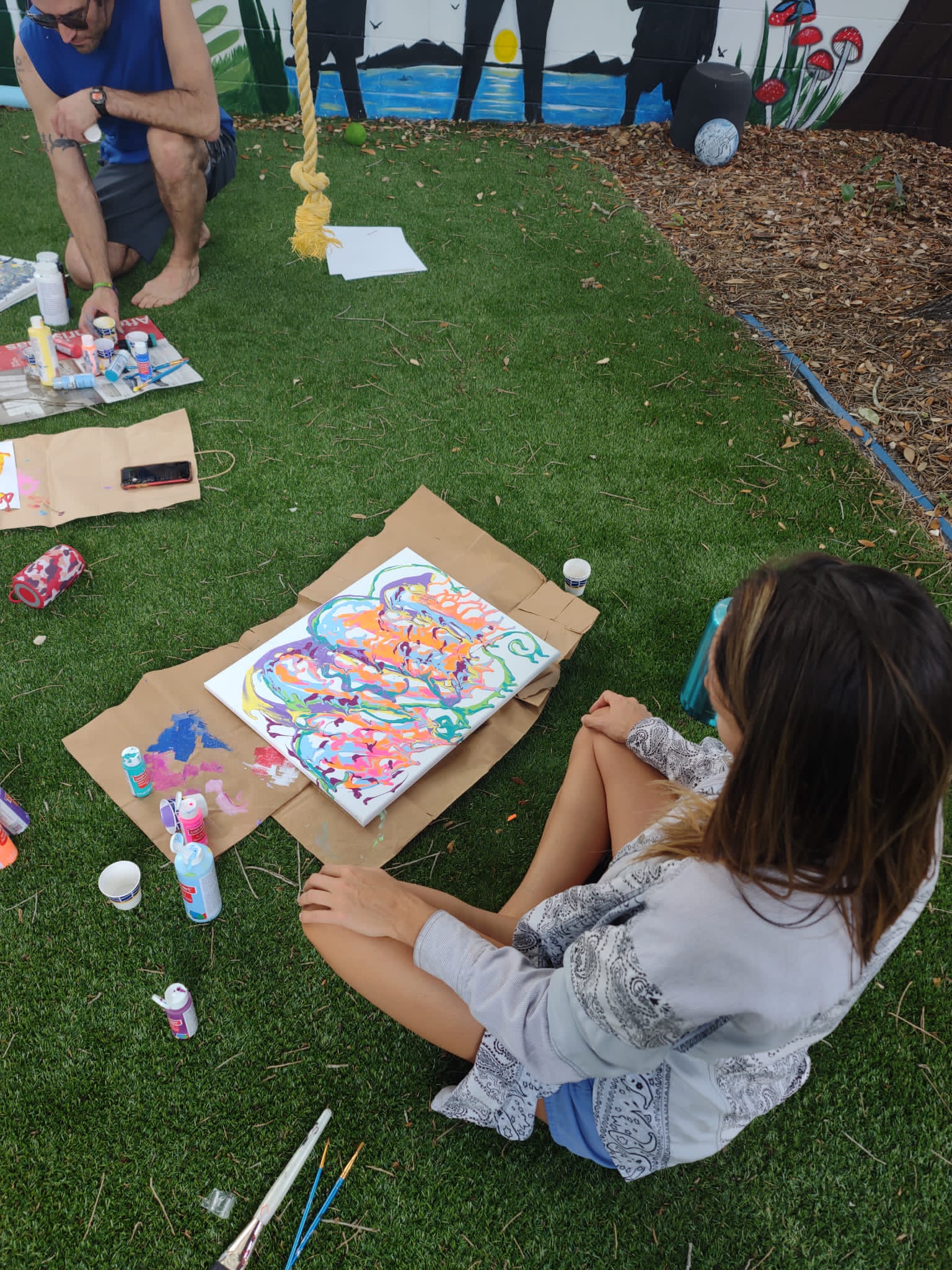
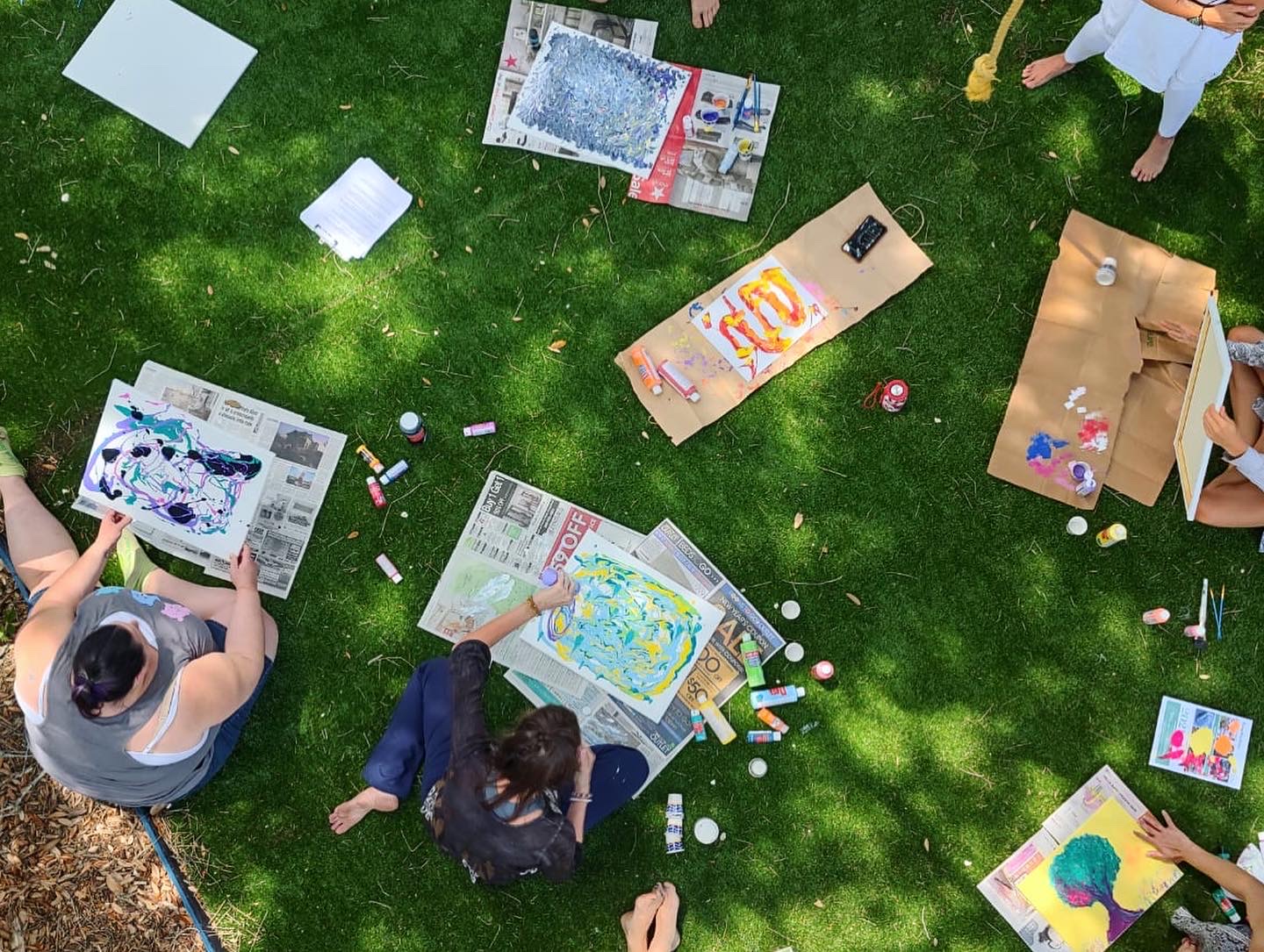
In my work facilitating creative workshops and contemplative practices, I often witness how quickly people reconnect with creativity when the pressure to be “good” at something is removed. When individuals are invited into mindful expression—through painting, writing, or simple creative exploration—something begins to shift. Attention becomes more focused, the mind becomes quieter, and a sense of curiosity emerges.
Creativity also lives in the body.

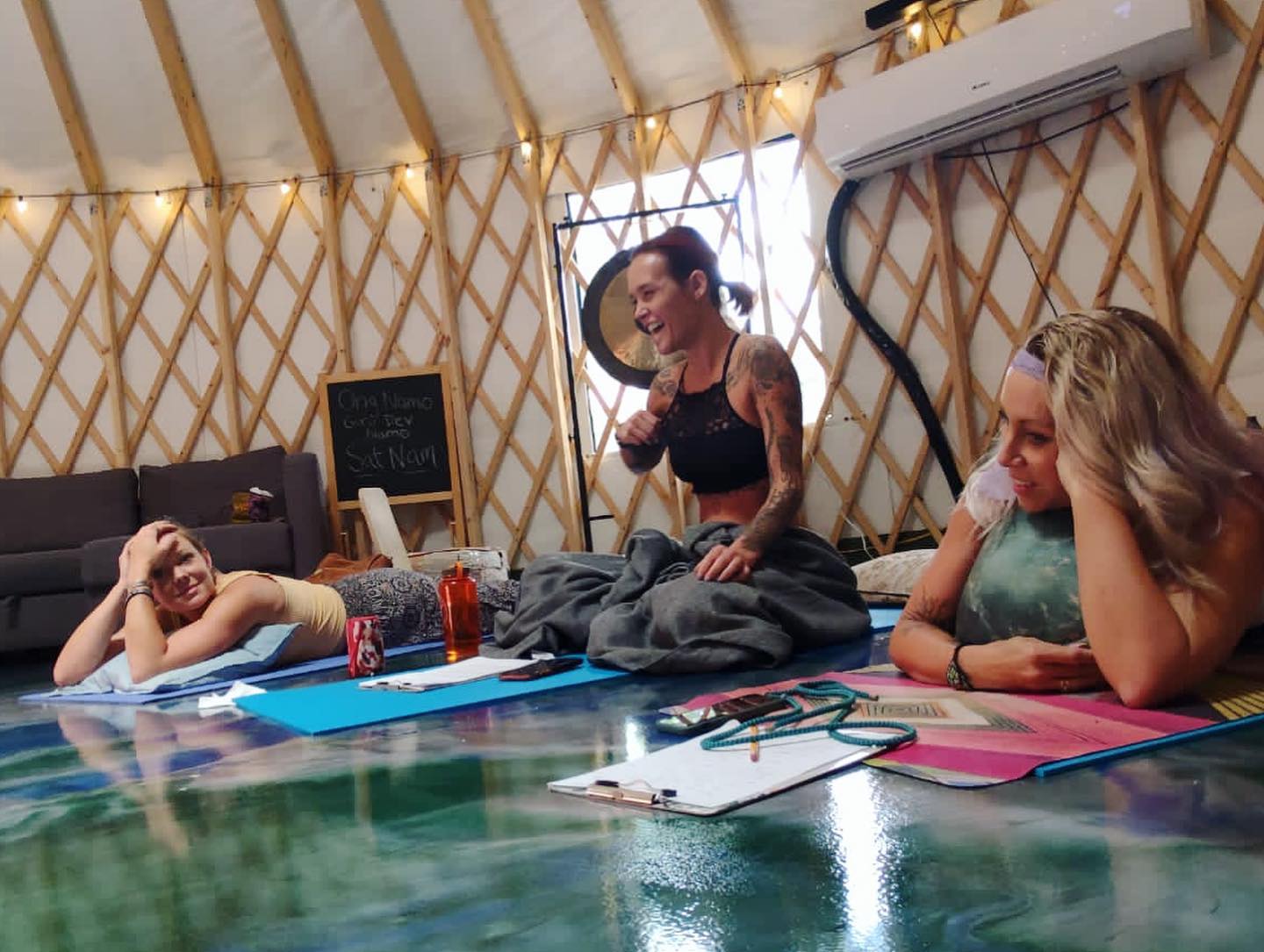
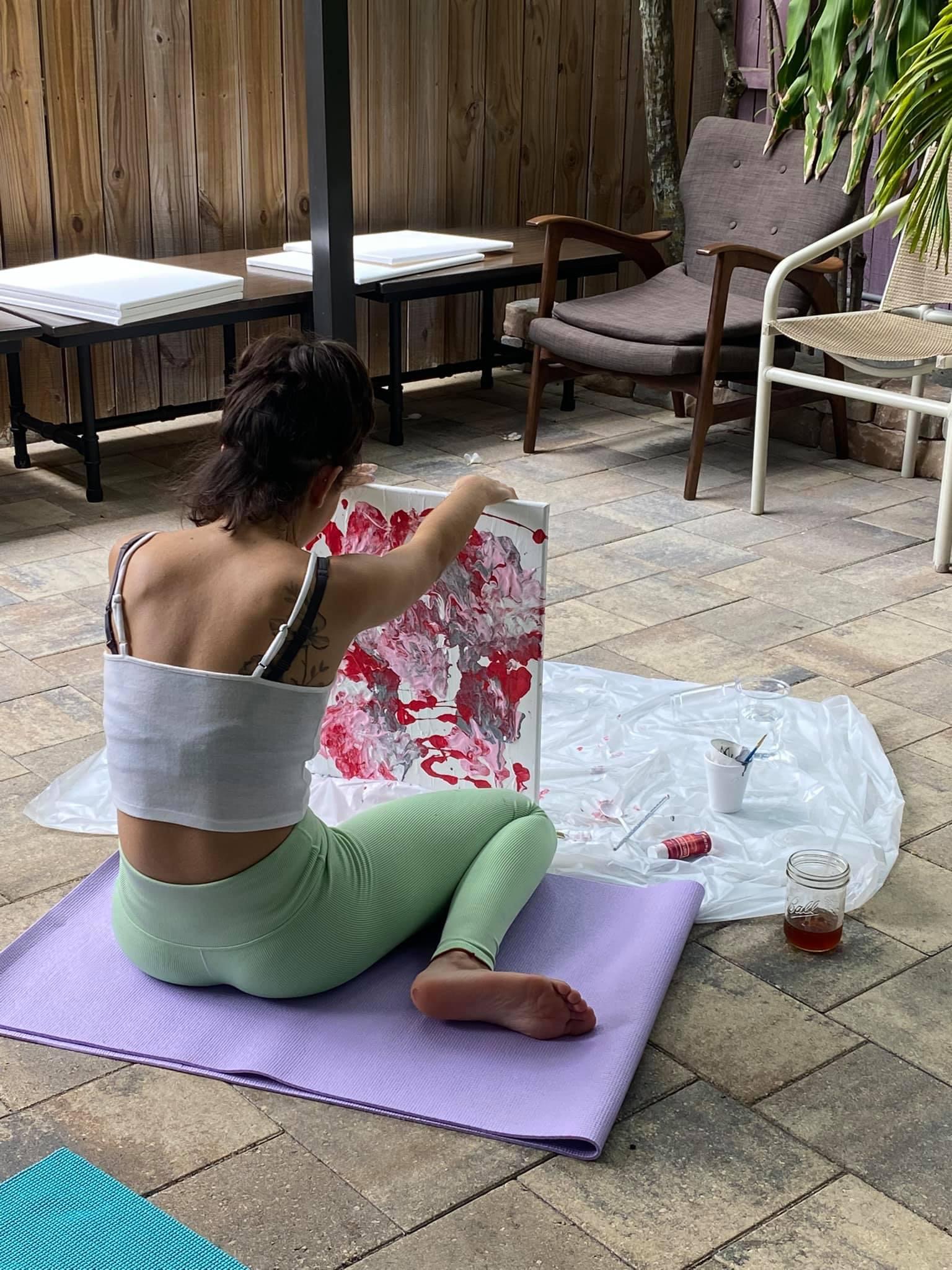
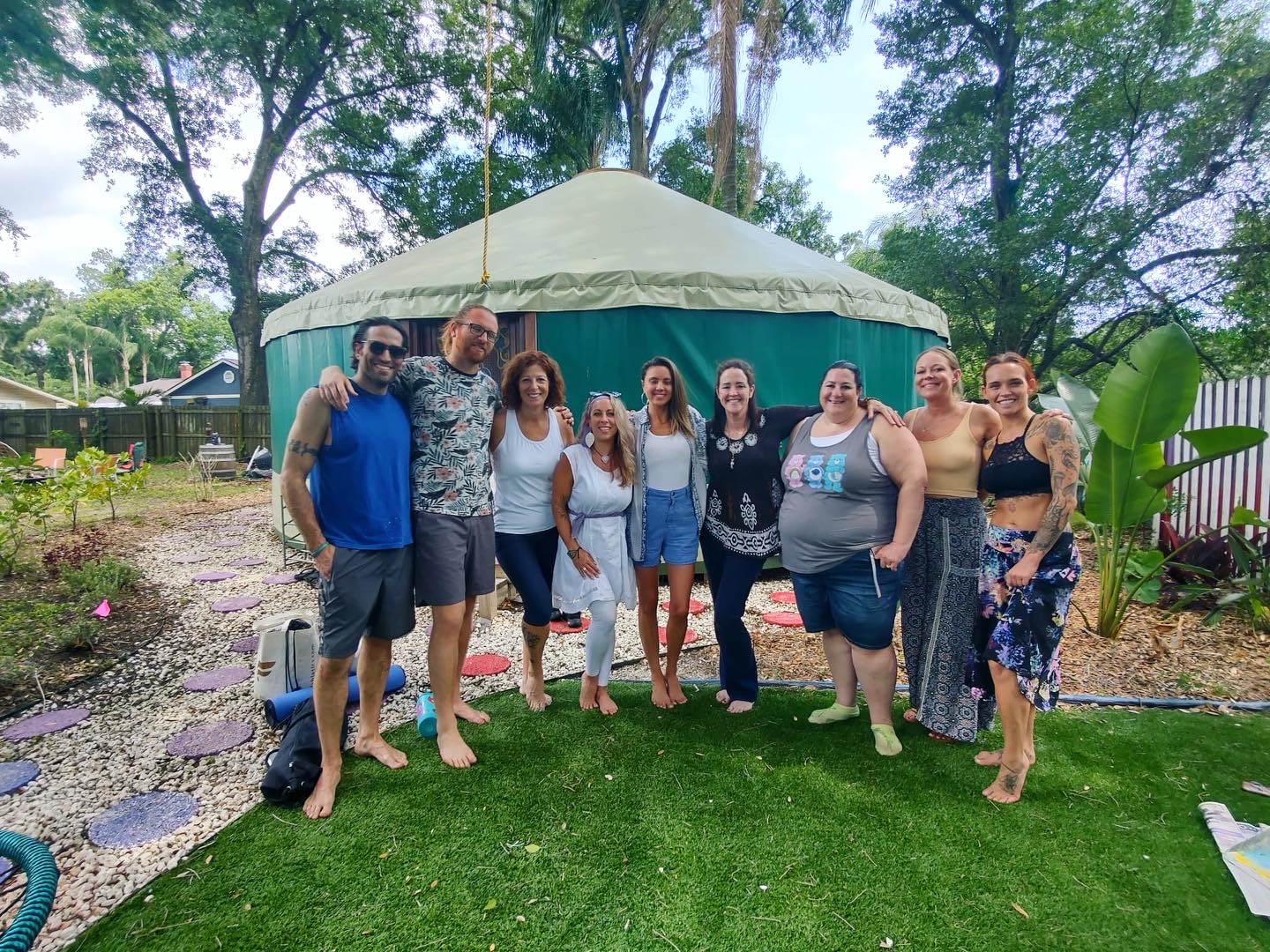
Practices such as ecstatic movement and free, intuitive movement allow individuals to reconnect with the natural intelligence of the body. When we move without choreography or expectation, the body often expresses emotions, energy, and insights that may not easily surface through words alone.
This kind of movement is not about performance. It is about freedom in the body—the freedom to move, feel, and explore without judgment.
Psychologists often describe moments of deep creative engagement as flow states, where attention becomes absorbed in the activity and self-consciousness temporarily fades. In these moments, creativity becomes less about effort and more about participation in the unfolding experience itself.
Through mindful expression and embodied creativity, individuals often discover that creativity is not something they must force. It is something that naturally emerges when space is created for exploration.
Creative freedom is not about producing something perfect.
It is about creating the conditions where expression, movement, and awareness can unfold naturally—opening the door to deeper insight, emotional integration, and connection with one’s inner guidance